Why Field Observation Still Matters in the Age of Foundation Models
On the gap between what AI can classify and what humans can learn by looking closely.
I work at the intersection of artificial intelligence, ecology, and field observation — exploring how technology can deepen the way humans understand plants, landscapes, and living systems.
Selected Work
An AI system that guides people to observe nature more carefully — not just identifying species, but helping users understand why a plant is identified through visible features like leaf shape, bark texture, and habitat context.
Detecting kudzu, phragmites, and other invasive species in Northern Virginia by exploiting their phenological signatures in Sentinel-2 time series — processed entirely on Google Earth Engine.
Time-series analysis exploring the relationship between precipitation events and water quality indicators in DC-area watersheds — turbidity, dissolved oxygen, pH, and discharge patterns.
Exploring ecological visualization, seasonal data patterns, and AI-assisted field observation tools.
Essays & Field Notes
Can phenology alone detect invasive plants from orbit? I built a GEE pipeline over Northern Virginia — and got 1 out of 5 on the first try. Part 1 of 3.
What a 20% detection rate taught me about threshold design, rule coverage, and field sampling — three orthogonal failure modes. Part 2 of 3.
Two new rules lifted detection from 1/5 to 3/5. One site I deliberately left unfixed — because the fix wasn't in the algorithm. Part 3 of 3.
On the gap between what AI can classify and what humans can learn by looking closely.
Moving beyond 'what is this plant' to 'how can I learn to see the differences myself.'
Lessons from watching osprey, invasive species, and seasonal change in places most people overlook.
Ecological Attention
Seasonal landscapes, wetlands, birds, and suburban ecology — documenting the living systems around us.
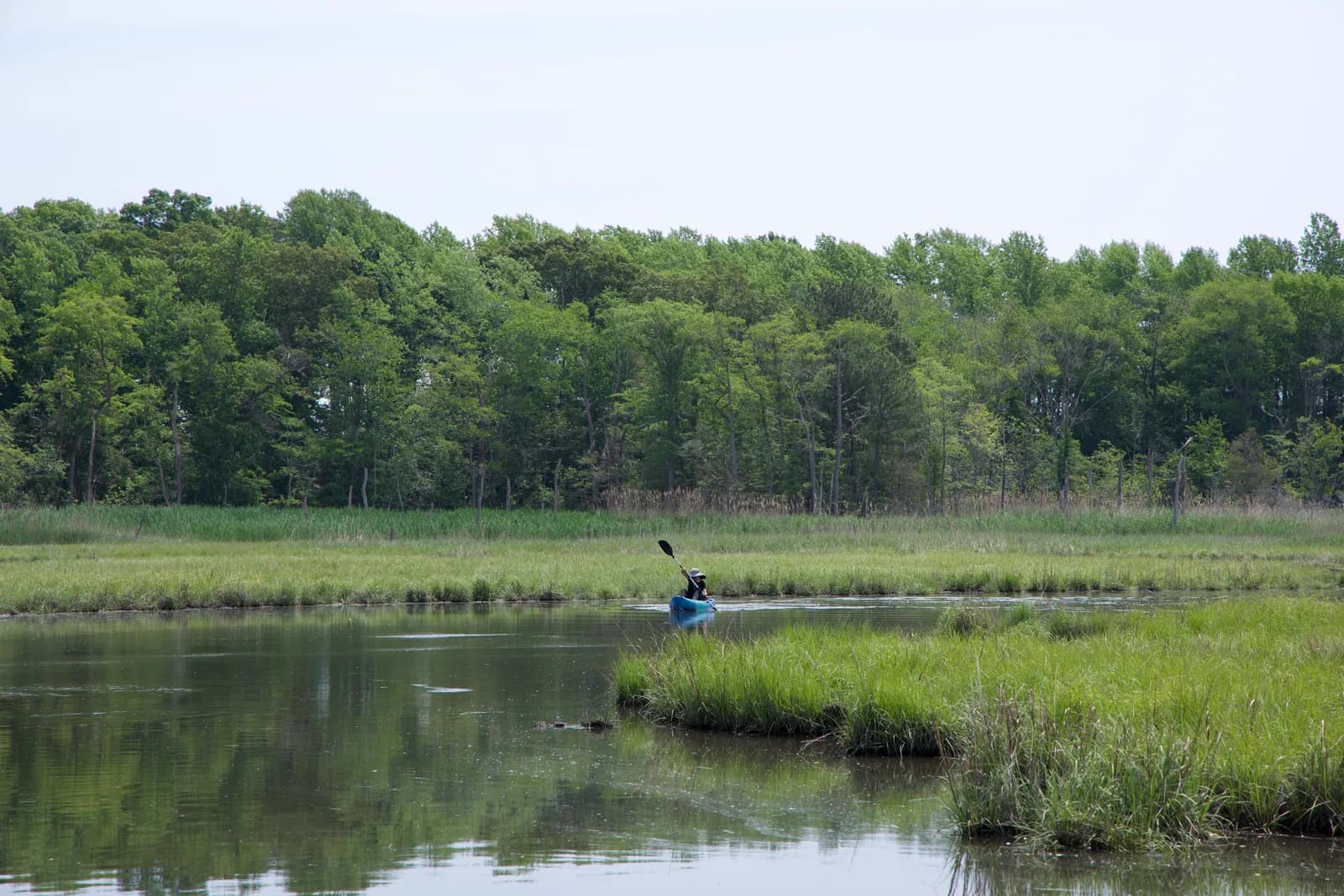
Kayak Through the Marsh
Great Marsh Preserve, Delaware
Spring 2026
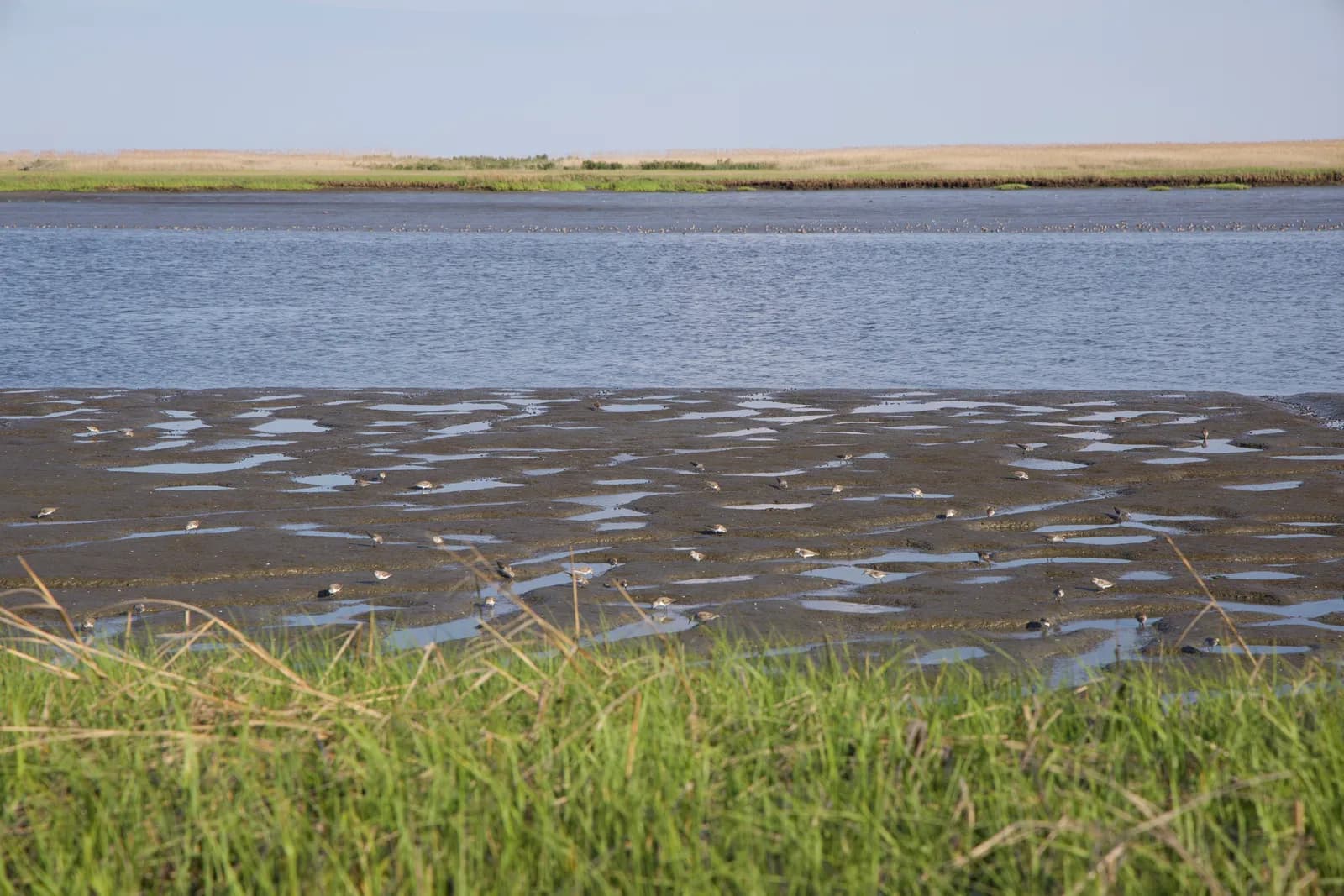
Shorebirds on the Tidal Flat
Near DuPont Nature Center, Delaware
Spring 2026
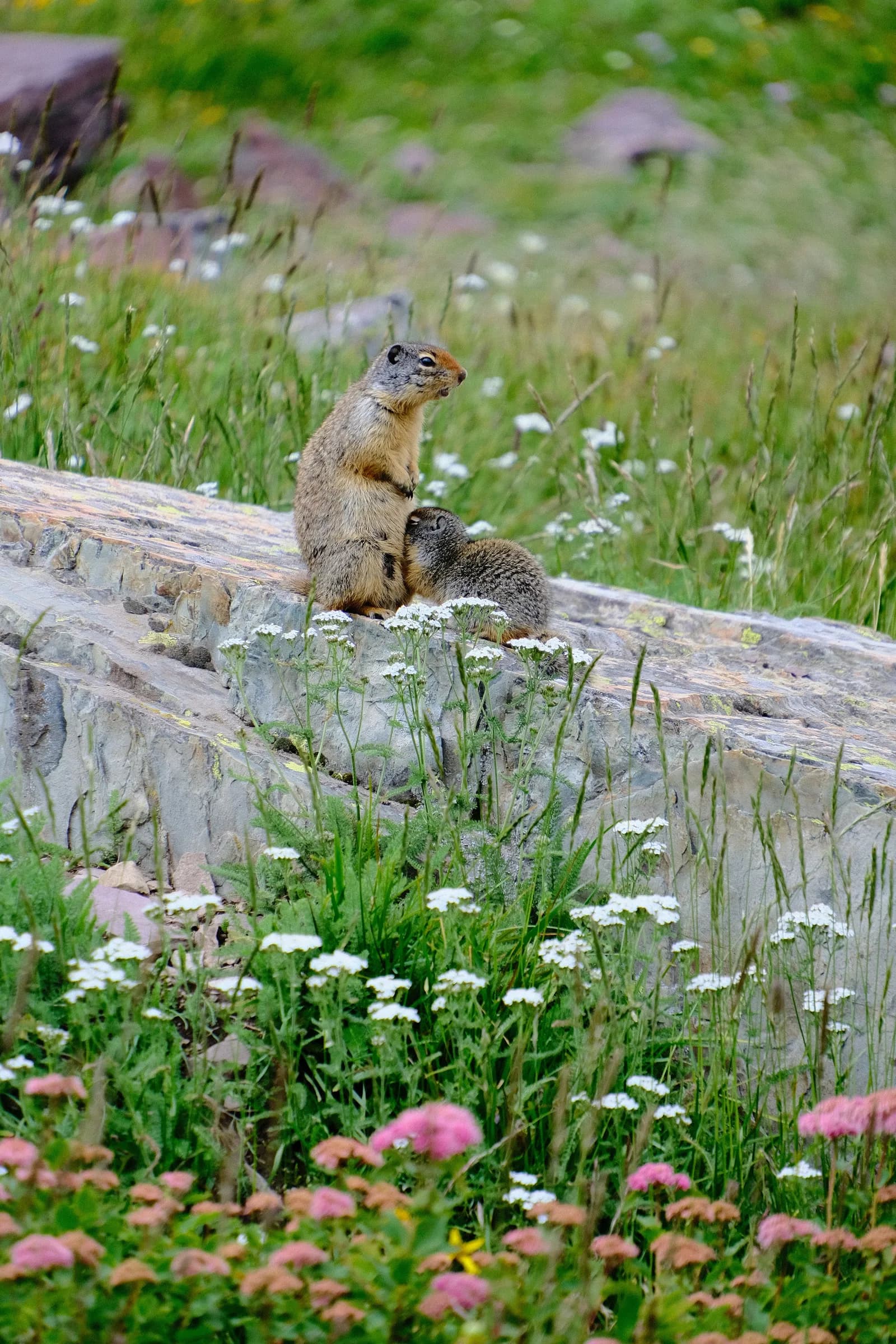
Ground Squirrel and Pup
Glacier National Park
Summer
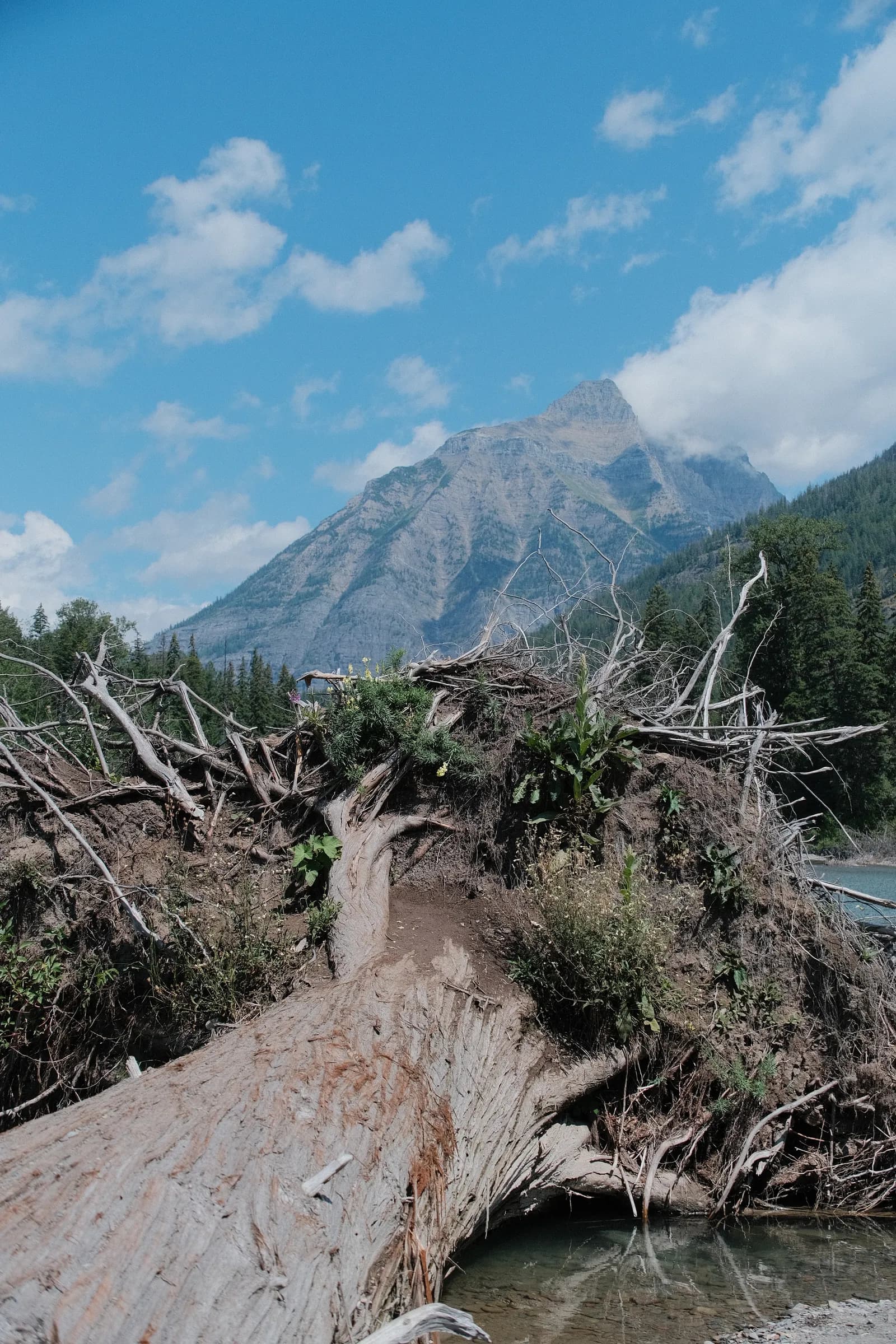
Uprooted Tree Beneath the Mountain
Glacier National Park
Summer
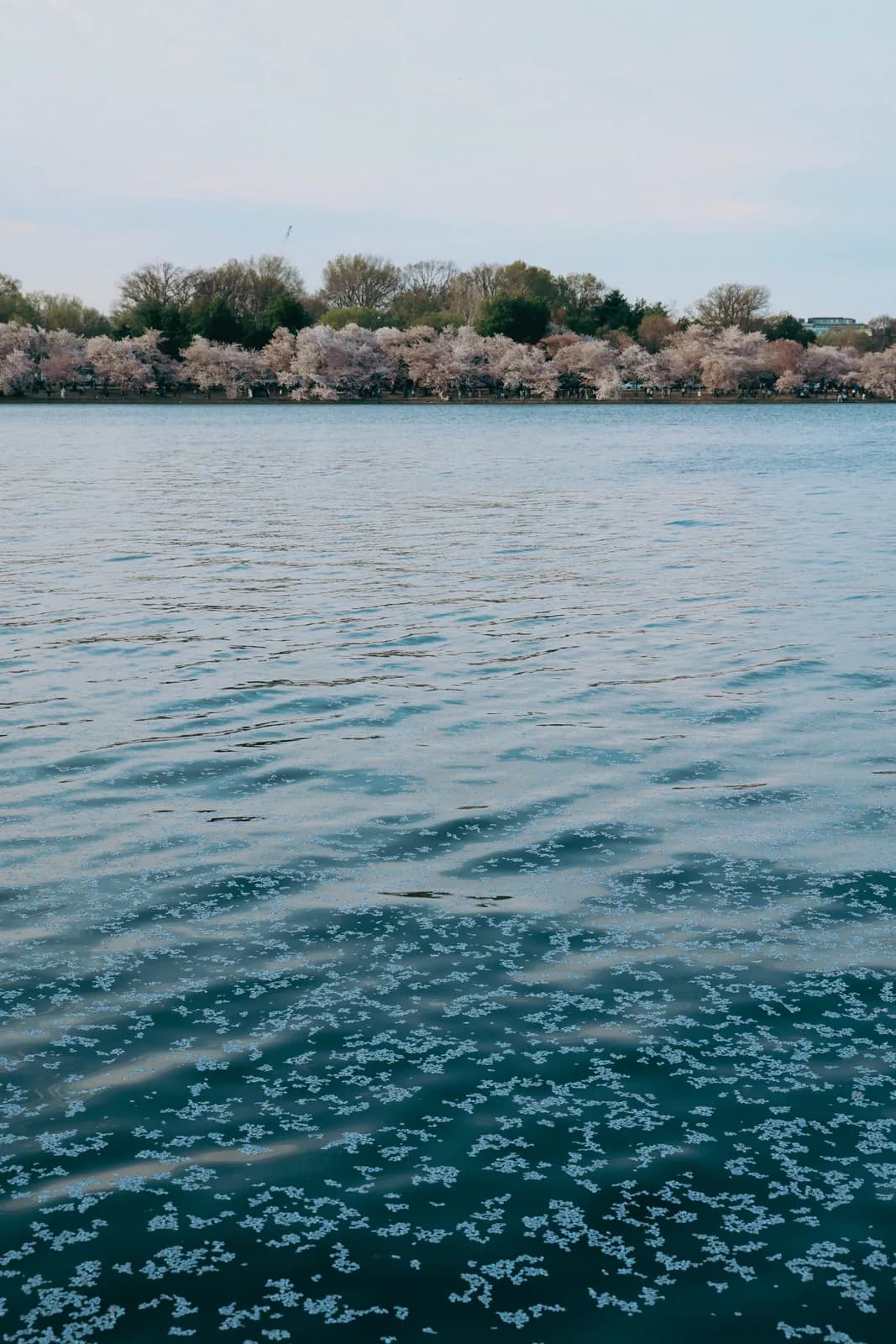
Cherry Blossoms Across the Basin
Washington, DC
Spring 2026
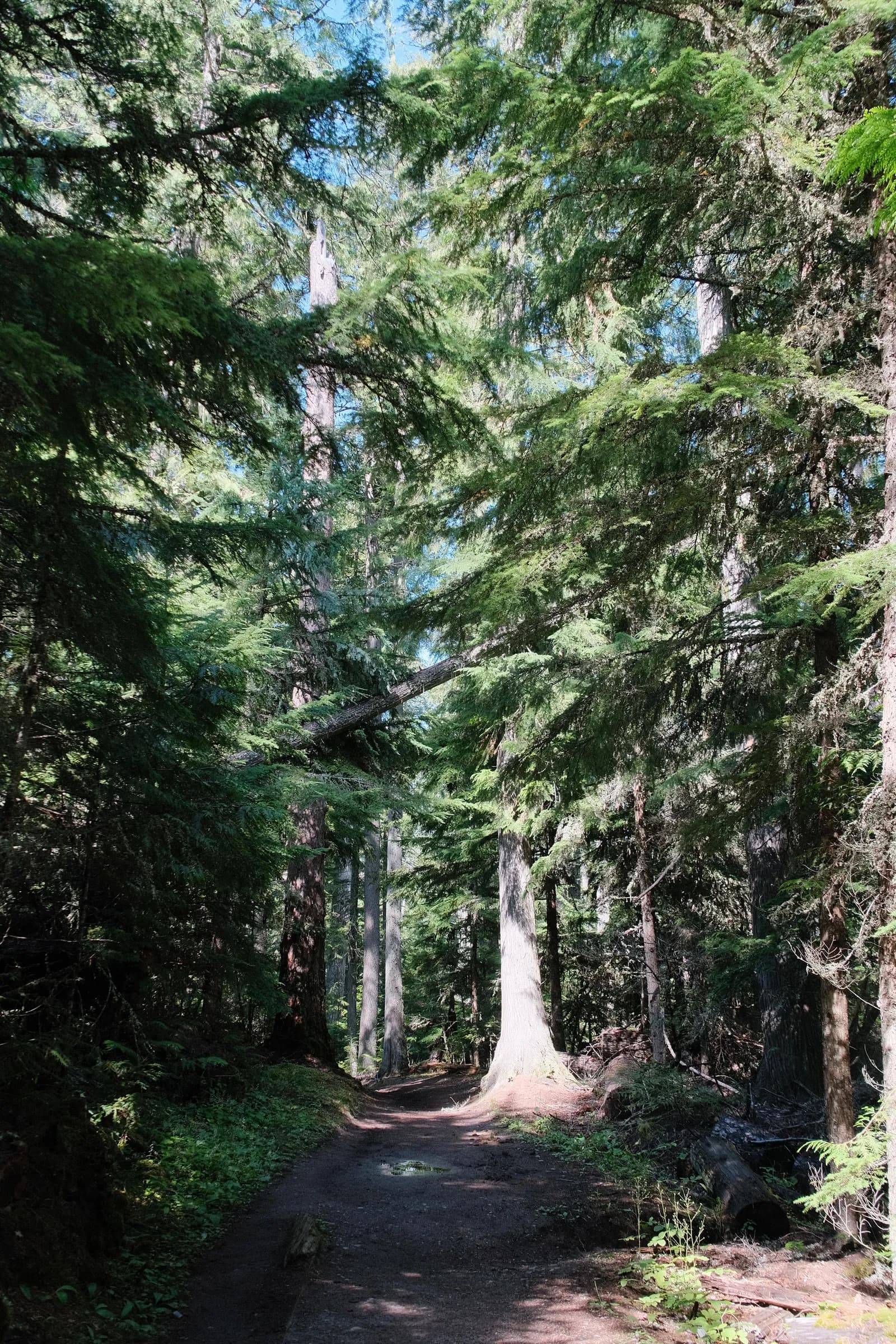
Cedar Forest Trail
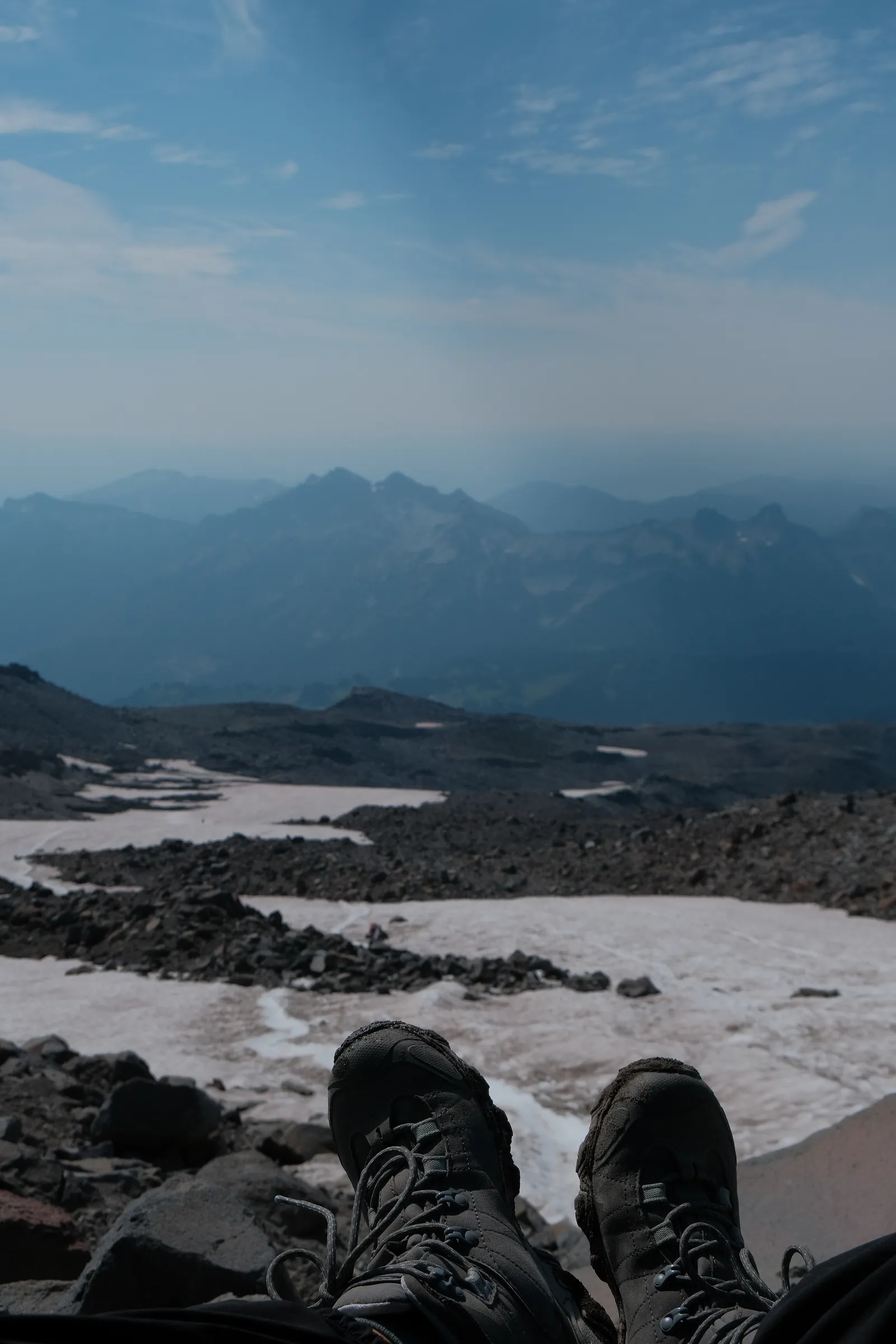
Rest Above Camp Muir
Camp Muir, Mount Rainier National Park
Summer 2025
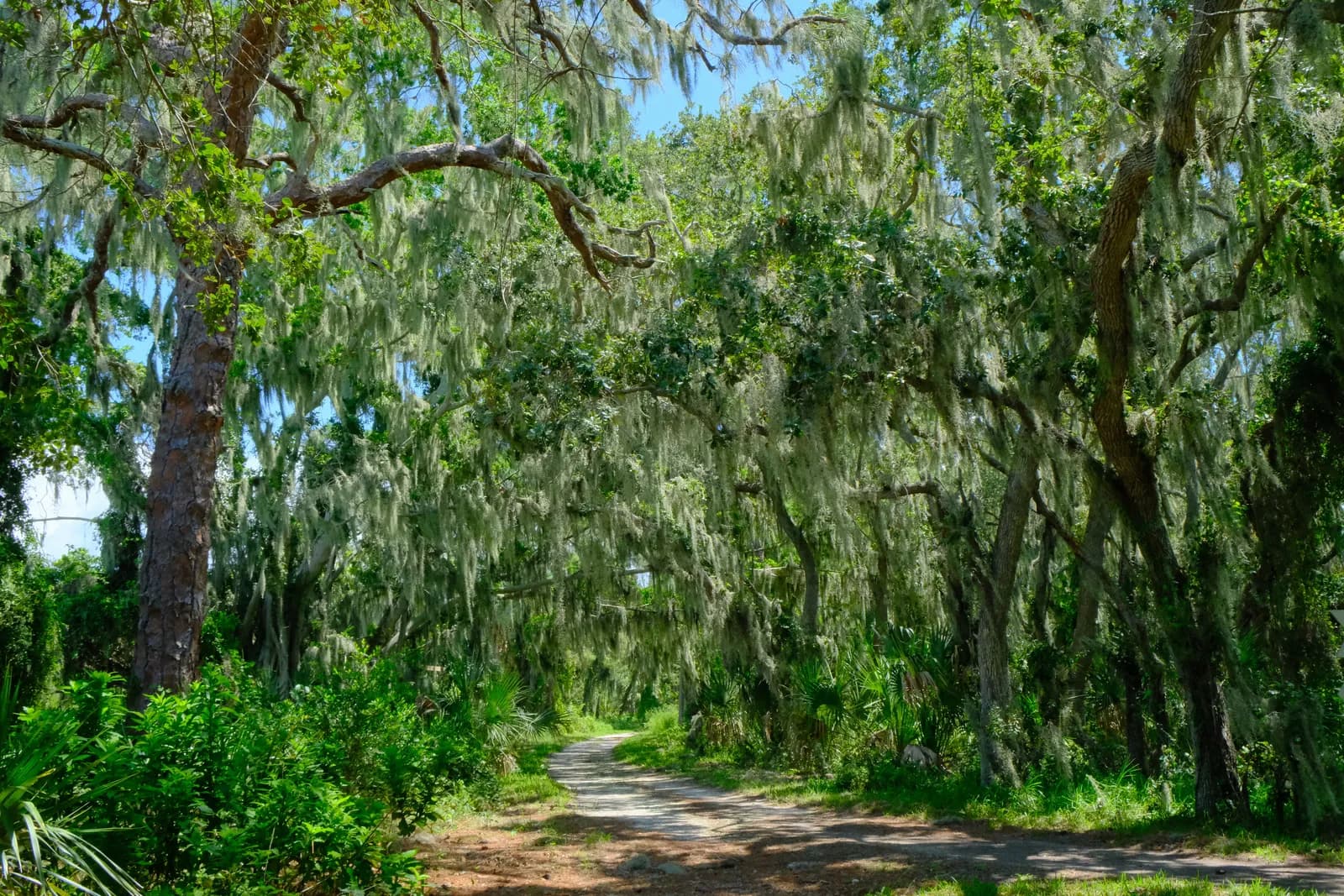
Spanish Moss Forest Path
Tampa, Florida
Summer 2023
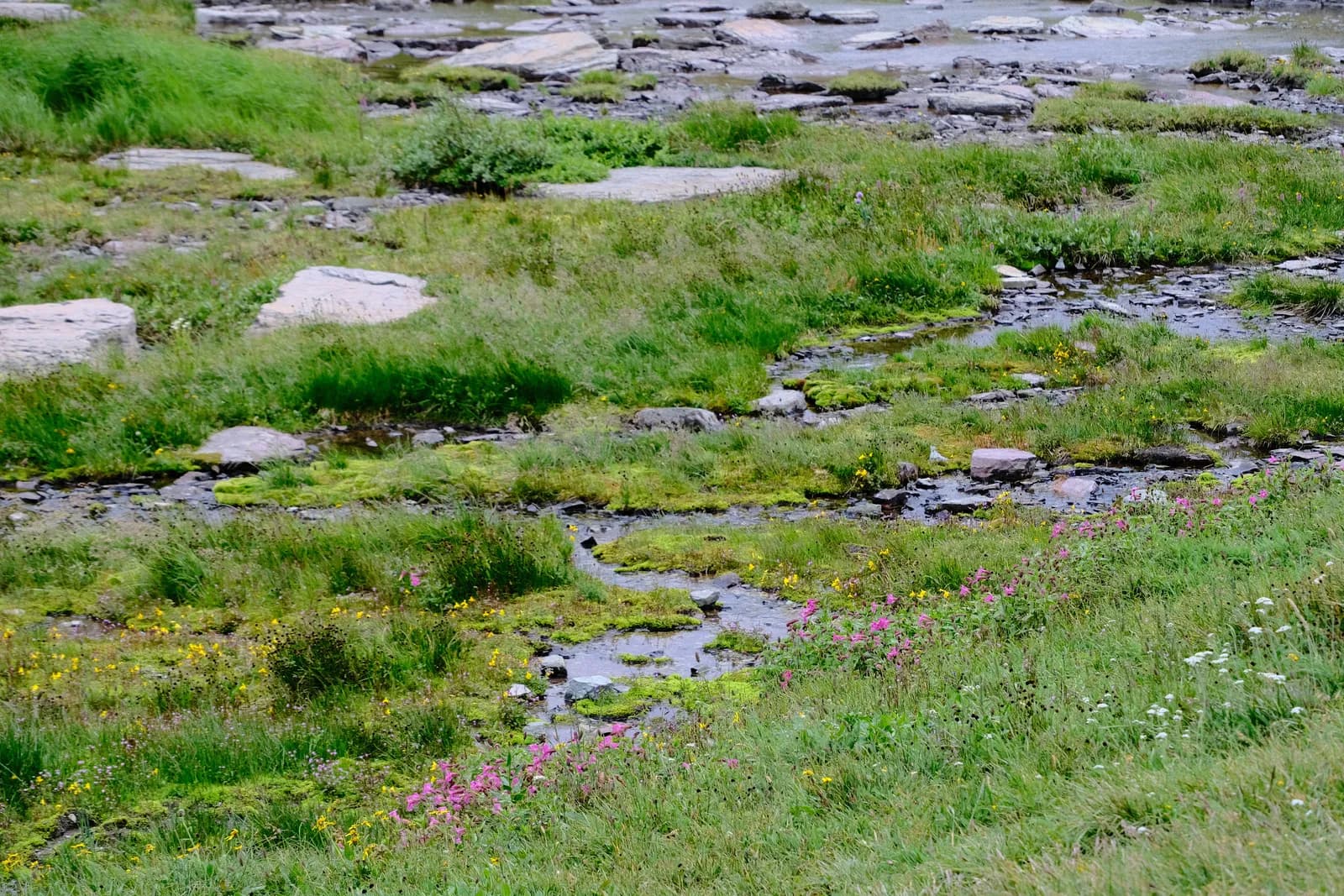
Alpine Stream Habitat
Glacier National Park
Summer 2025
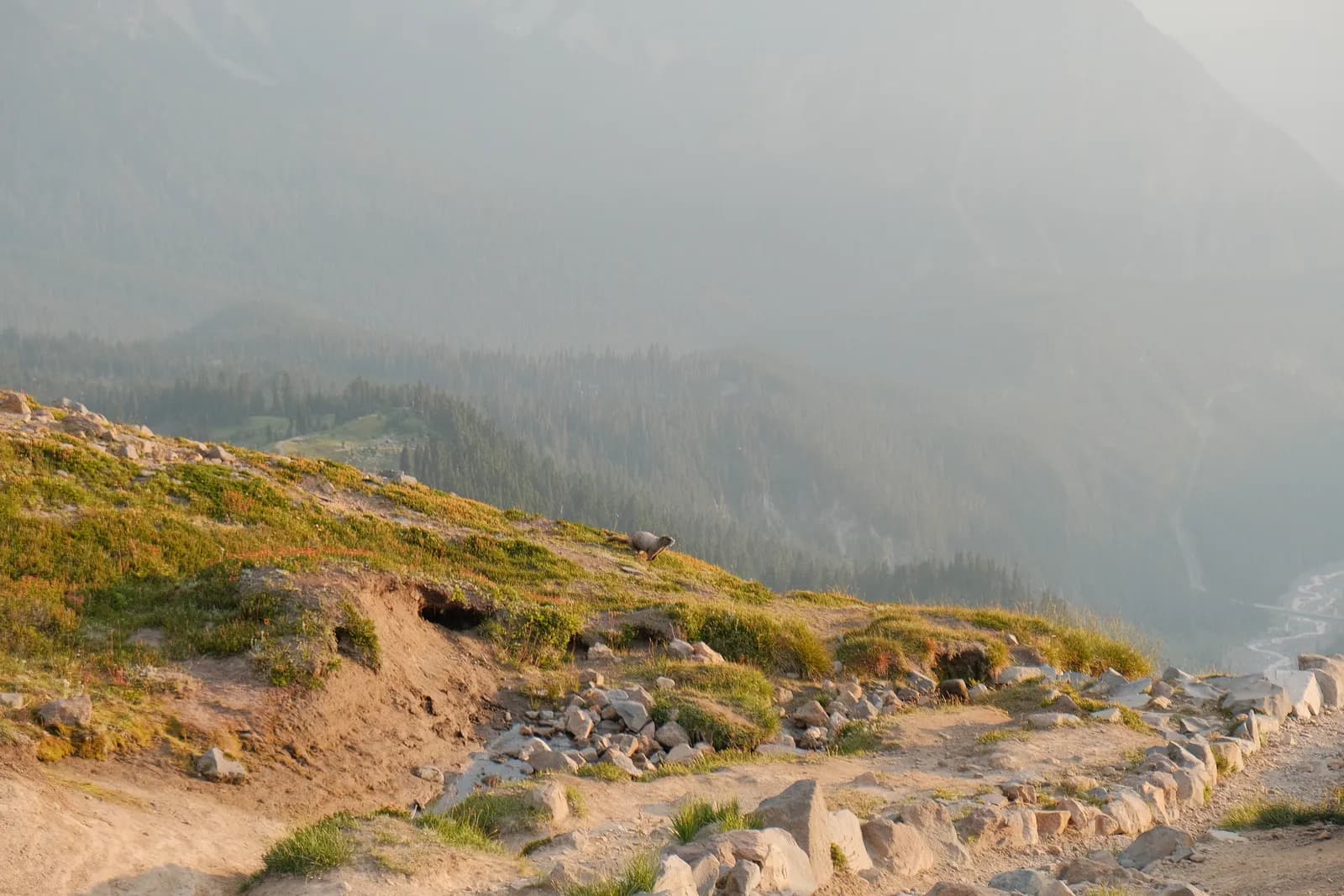
Marmot on the Ridge
Mount Rainier National Park
Summer 2025
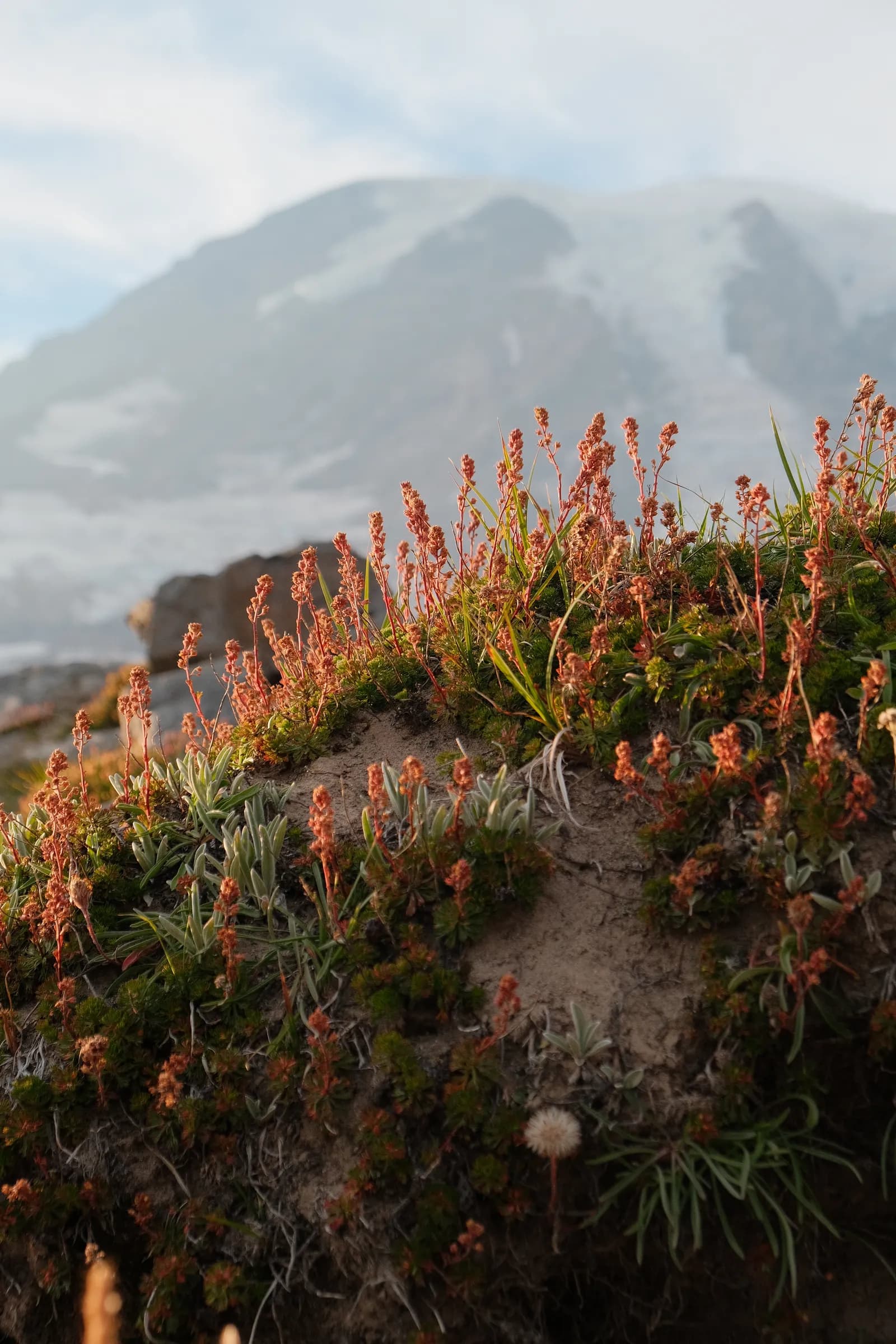
Alpine Flowers Below Rainier
Mount Rainier National Park
Summer 2025
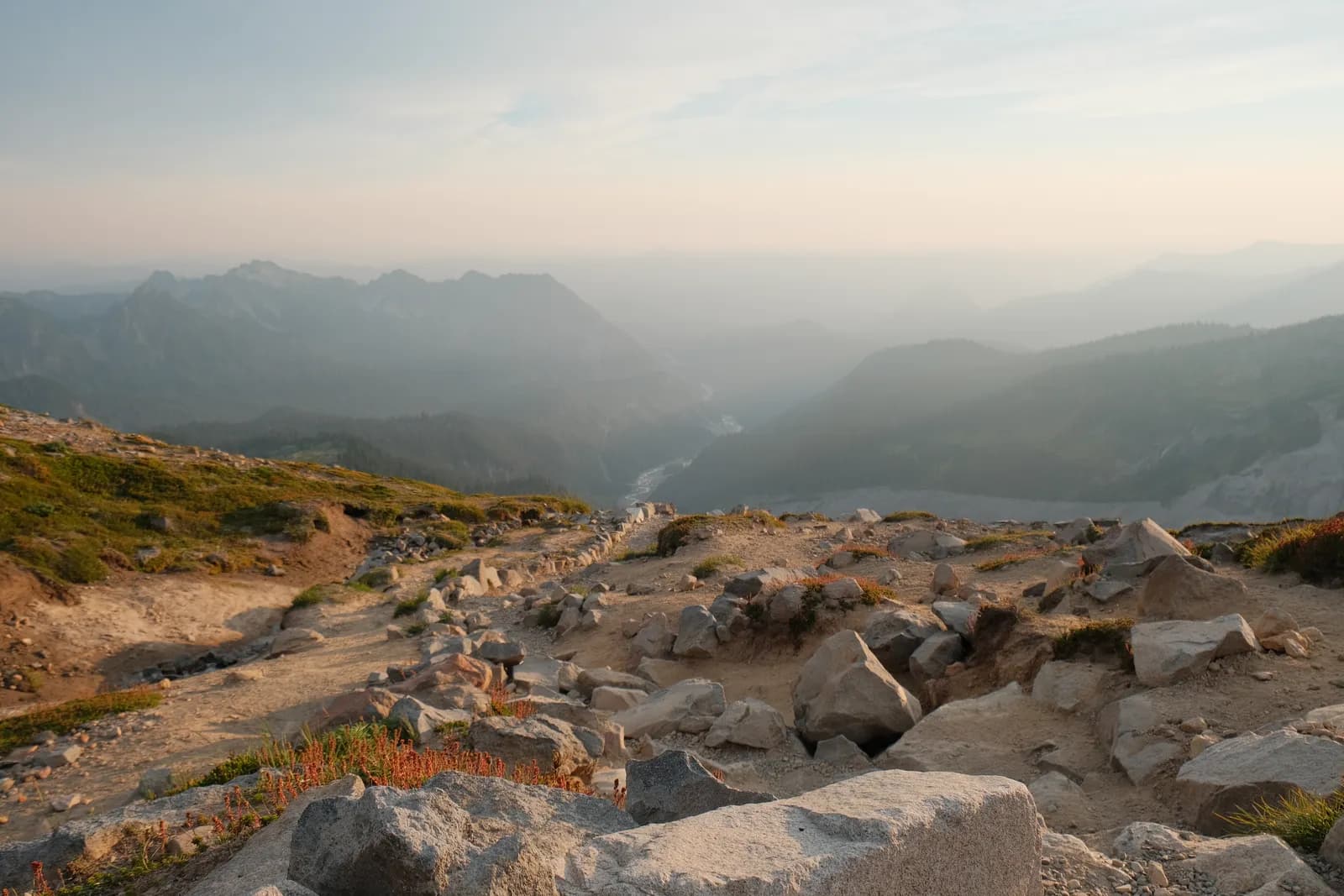
High Country Trail at Sunset
Mount Rainier National Park
Summer 2025
More field observations on Instagram(@ivy.observes) and Unsplash(@Ivy Tang).